SHACMAN Tractor Trucks: F3000 vs X3000 for Long-Distance Transport
The job is different from dump haulage
A tractor truck spends much of its time pulling a semi-trailer at road speed. Engine torque, gearbox and rear-axle ratios, cabin layout, fuel capacity and trailer connections deserve more attention than tipper-body specifications. Both SHACMAN F3000 and X3000 are offered in tractor configurations, with variations between markets and production years.
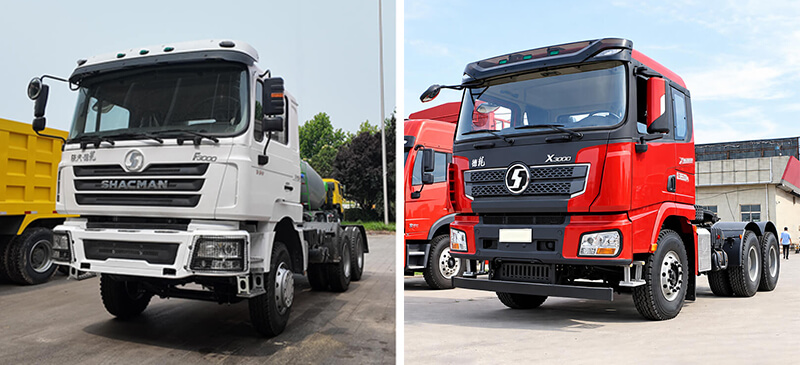
F3000: focus on practical operating fit
For buyers familiar with the F3000 platform, ease of maintenance and parts interchangeability may be important. Look at the actual engine and manual gearbox, cooling system, clutch and differential ratio. A relatively simple specification can work well, but only if the chassis and drivetrain are in sound condition.
X3000: pay attention to the cab and equipment
On suitable versions, the X3000 offers different cab and comfort arrangements. Seat condition, air conditioning, sleeper space, instrument function and noise are relevant for drivers who spend long days on the road. Do not treat comfort upgrades as proof of better mechanical condition; the engine and running gear still require inspection.
Check tractor-specific equipment
Inspect the fifth-wheel plate, locking jaws and mounting bolts. Check trailer electrical sockets, air couplings, brake response and suspension. Compare actual trailer gross combination weight, road gradients and local legal limits with the proposed drivetrain. The right tractor is the one that can pull the intended trailer safely and maintainably over the routes you operate.
For a quotation, provide the destination country, intended application, expected load and preferred truck configuration. Snail Truck can share available vehicle specifications and inspection materials for review.

 Tang