SHACMAN Dump Trucks for Sale: How to Choose the Right Model for Your Business
A practical SHACMAN dump truck guide covering 6x4 and 8x4 layouts, drivetrains, tipper bodies and inspection points.
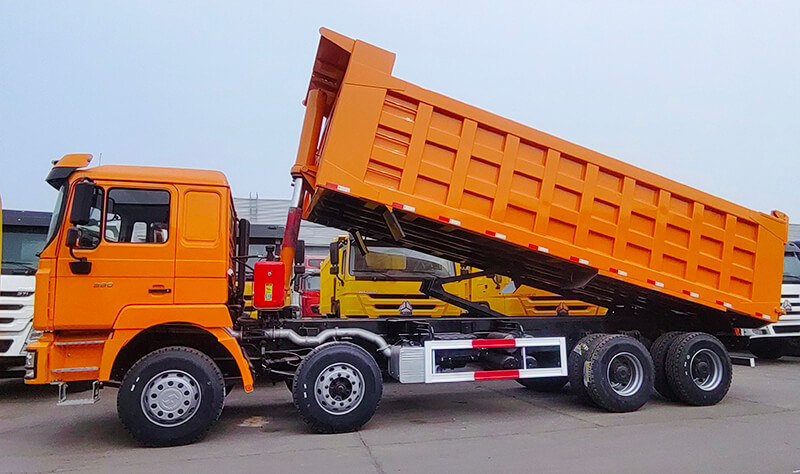
Start with the material and route
A truck that moves sand between city construction sites has different demands from one carrying blasted rock on an unpaved quarry road. Before choosing a SHACMAN dump truck, note the material density, average trip distance, road gradient, turning space and daily loading cycles. These details tell you more than an advertised horsepower figure.
6x4 or 8x4?
A 6x4 dump truck generally suits sites where maneuverability and a shorter body matter. An 8x4 has an additional axle and can accommodate a longer body and different axle-load distribution. Neither layout automatically guarantees a particular legal payload. The permitted gross weight and axle loads must be checked against regulations in the destination country.
Look beyond the model badge
F3000 and X3000 dump trucks are available in several engine, transmission and axle combinations. Compare torque delivery, gearbox ratio, rear-axle ratio, tire size, frame condition and the actual tipper-body dimensions. For abrasive stone, inspect the floor and side-wall wear; for frequent tipping, focus on the hydraulic cylinder, pump, hoses and hinge pins.
What to request before ordering
Ask for the vehicle identification number, a dated walk-around video, cold-start footage, underbody photographs and a loaded or controlled road-test report where feasible. A remanufactured engine is only useful information if the supplier explains what was rebuilt and what was tested. Choose the configuration that fits the work, then judge the condition of the individual truck.
For a quotation, provide the destination country, intended application, expected load and preferred truck configuration. Snail Truck can share available vehicle specifications and inspection materials for review.

 Tang